


ClientINVL
IndustryFinancial services
RegionLithuania
Work implementedUI/UX Design, development of self-service, cluster of microservices
Challenges
One of the main challenges at the outset was refactoring and migrating the codebase to open-source solutions — all while keeping to a tight schedule in a heavily regulated fintech environment.To achieve a smooth transition, we coordinated closely with the previous vendor for a structured handover. We assigned a dedicated product owner and introduced Agile principles to manage the scale and pace of the project.
- Challenging codebase with outdated frameworks
- Inefficient system logic resulting in high maintenance costs
- No Agile process in place
- Heavily regulated fintech environment
Goals
The initial focus was on INVL gaining full ownership of their internal systems. From there, we progressed to developing and maintaining a cluster of services: self-service portals, admin interfaces, APIs for clients, brokers, AML, identity management, and more. To get there, we defined the following objectives:- Transition to Agile Scrum
- Establish clear communication channels
- Refactor outdated code
- Introduce open-source solutions
- Redesign the self-service UX/UI
Created Value
To build a productive long-term partnership, Toughlex's first priority was establishing reliable communication channels. We facilitated a collaborative process of gathering feedback and conducting business analysis to create a roadmap using an Agile approach. The work required a wide range of skills — redesigning, developing, and extending a cluster of microservices built on an existing foundation.AgileTo make effective use of our resources across a broad range of tasks, we adopted Agile principles with short iteration cycles. Our framework of choice was Scrum, which emphasizes transparency, accountability, and continuous improvement. Large goals were broken into smaller, manageable increments, and regular Scrum ceremonies kept the whole team aligned throughout the engagement.
Liberated codebaseAfter a thorough assessment of the codebase, we identified proprietary solutions that needed to be replaced with open-source alternatives — which benefit from large developer communities and ongoing security improvements. Once the migration was complete, INVL had full ownership of their software, giving them greater control and long-term independence.
Reduced maintenance costsDuring our assessment, we identified several areas with inefficient code logic that were causing issues and making the software difficult to maintain and scale. Addressing these areas through established best practices paid off quickly — significantly reducing maintenance costs while also improving scalability.
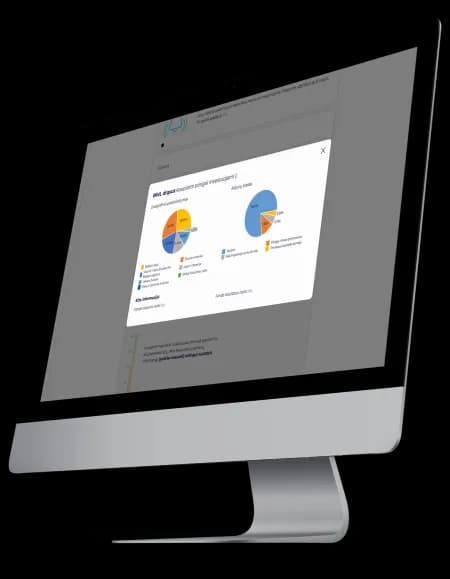
UI/UX redesignTo further improve operational efficiency, we redesigned the self-service system — bringing the interface fully up to current standards. A more intuitive and visually coherent UI leads to higher user satisfaction, which aligns with INVL's commitment to delivering an excellent client experience.
Technologies
When we joined the project, the core technology stack was already in place. Our first priority was ensuring full compliance with GDPR and fintech requirements, so we placed a strong emphasis on authentication and security.We took on the development and maintenance of a cluster of services using the .NET technology stack — a mature, widely adopted framework with long-term Microsoft support. For server orchestration and to minimize system downtime, we used Kubernetes, alongside Docker for continuous integration and isolated microservice deployment.
For the user interface, we used the React library, with GraphQL as the communication protocol between frontend and backend. While GraphQL requires more initial setup than REST, the benefits in query flexibility and retrieval efficiency make it a sound choice for complex, data-rich platforms. For external system integrations, we used REST, which remains the more straightforward and widely supported option.
Project management and CI/CD were handled through Azure DevOps, which provided version control, Agile planning, and continuous delivery tooling in a single platform.
Skills
- .NET
- React
- Kubernetes
- UX/UI
- Custom Software Development
- Self-Service Portal Development
- Enterprise Software
- Agile
- TypeScript
- Component Library
- Azure DevOps
- Docker
- GraphQL
- REST